After a month-long hiatus, I found myself wanting to write something unrelated to Bjornborn.

To spare me from going insane, I started looking back at my inspirations for writing in general. What inspired me to build worlds the way I do? Without these inspirations, Bjornborn wouldn’t be the same. Without one of these works, it wouldn’t exist at all.
Atlantis: The Lost Empire
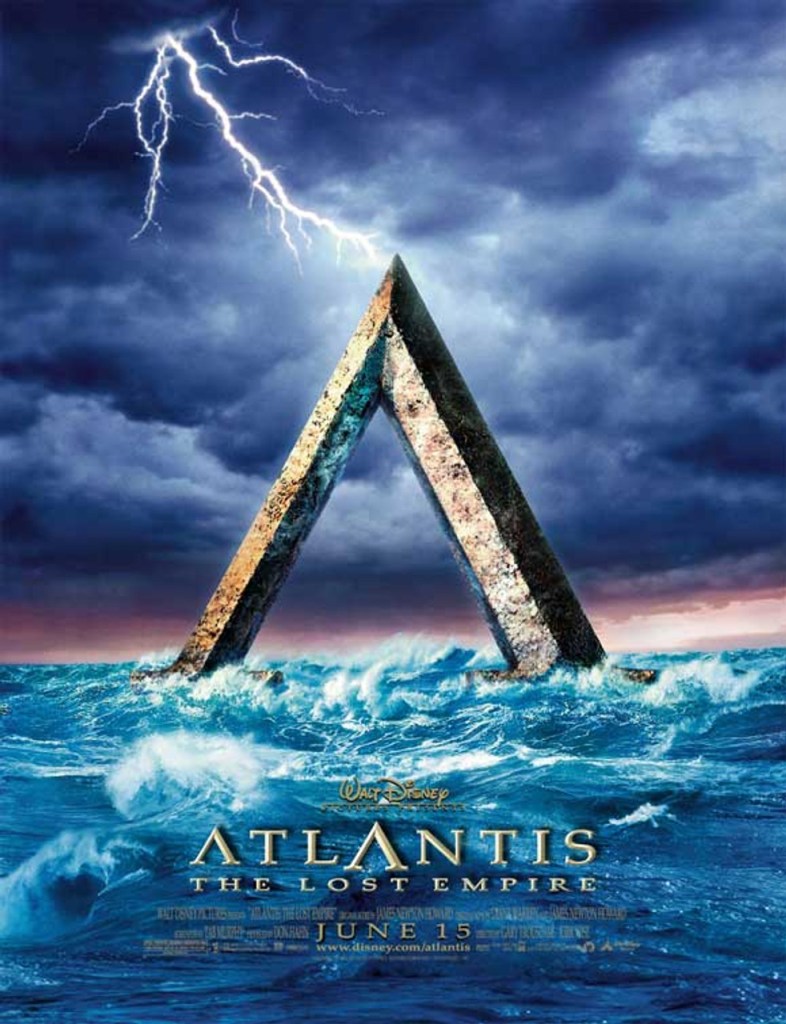
Atlantis has a very fascinating history, especially with the world that was built for the film. Elements from various cultures, technologies, and even real-world landscapes were used to craft a society that was immersive and believable.
Atlantis’s world was heavily researched, but many of these aspects never appeared in the full movie. They were instead used as references for storytelling and art. The world building was more for the creative team than it was for the viewers. Their understanding of the world made the writing far more impressive, even if we can’t see every moving piece ourselves.
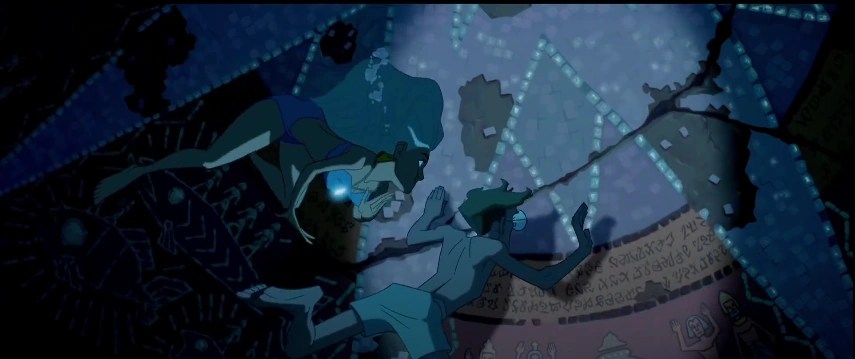
Atlantis taught me that you can have an extremely fleshed out, beautiful world, but the real struggle is knowing when to show it. Show too much, and the reader is bogged down by all the detail. Go too fast, and the reader ends up knowing so much it becomes hard to wow them. My writing takes a subtle approach to the world, but many of the concepts I introduce have fully fleshed-out ideas behind them. It’s up to the heroes of the story and the reader to find these details as they journey across Talira.
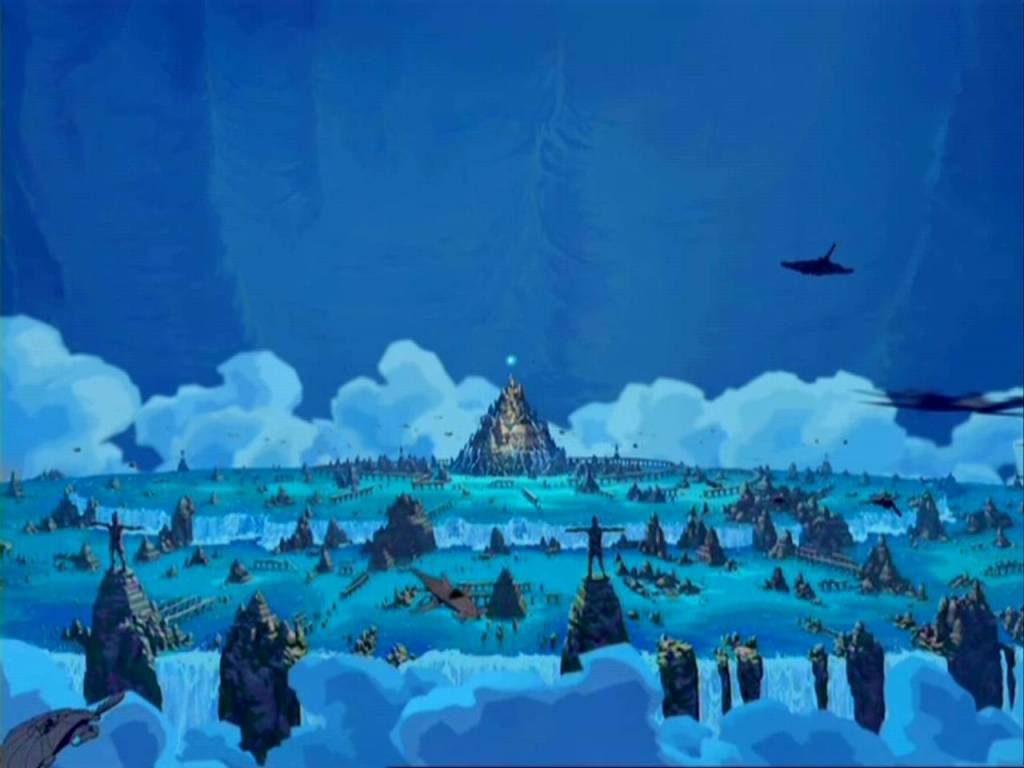
Inspirations:
-Ancient society, a race of people who can’t remember their roots and need to rediscover them
-An entire WATER CYCLE CHART created to explain how Atlantis could exist.
-Research made on WWI era equipment like submarines and ships to see how the subs in the movie would operate.
James Cameron’s Avatar
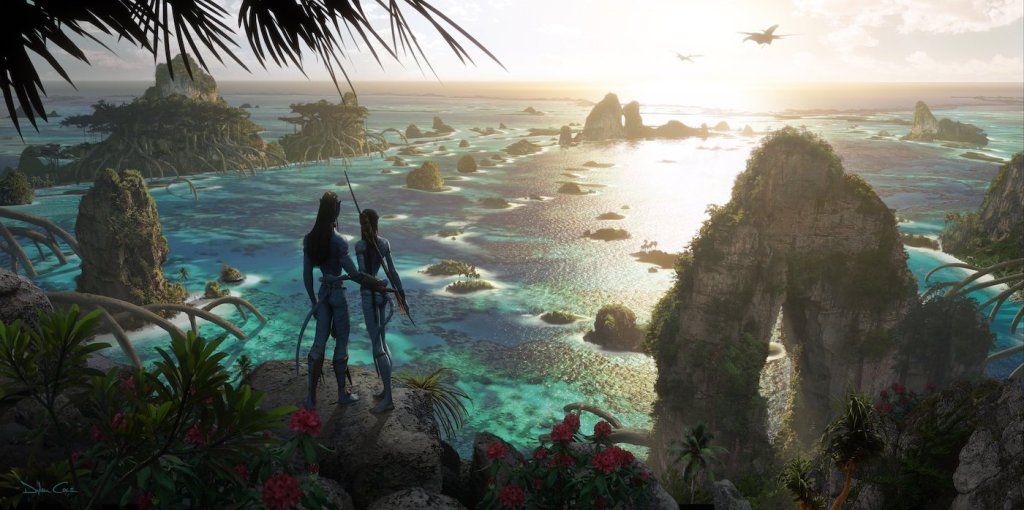
Avatar is a completely different beast from Atlantis, with some similarities sprinkled in. Avatar sought to create a language and culture that was truly alien.
Plants and Animals were created to interact with one another. The Na’vi were designed to work with nature and not against it. In The Way of Water, they designed the sea people to adapt to an aquatic lifestyle. The very planet itself has every facet of it thought out, even the floating mountains have explanations in the lore.
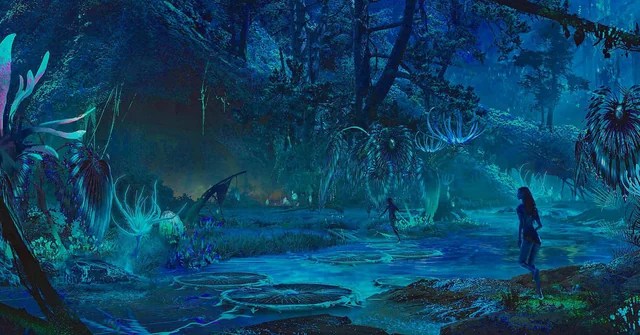
The biggest draw for me was the religion and culture of the Na’vi. They have a form of spirituality that is based on Eywa, a presence that exists on all life on Pandora. A presence that all Na’vi share, and they become one with it when they die.
Avatar’s Flora and Fauna are incredible in appearance and functionality, which leads me to my next inspiration.
Inspirations:
-Pandora’s alien, bioluminescent forest
-Animals that live in a symbiotic relationship with one another
-A planet-spanning essence or lifeform influencing the Na’vi and resulting in a spiritual connection. (Eywa)
Made in Abyss
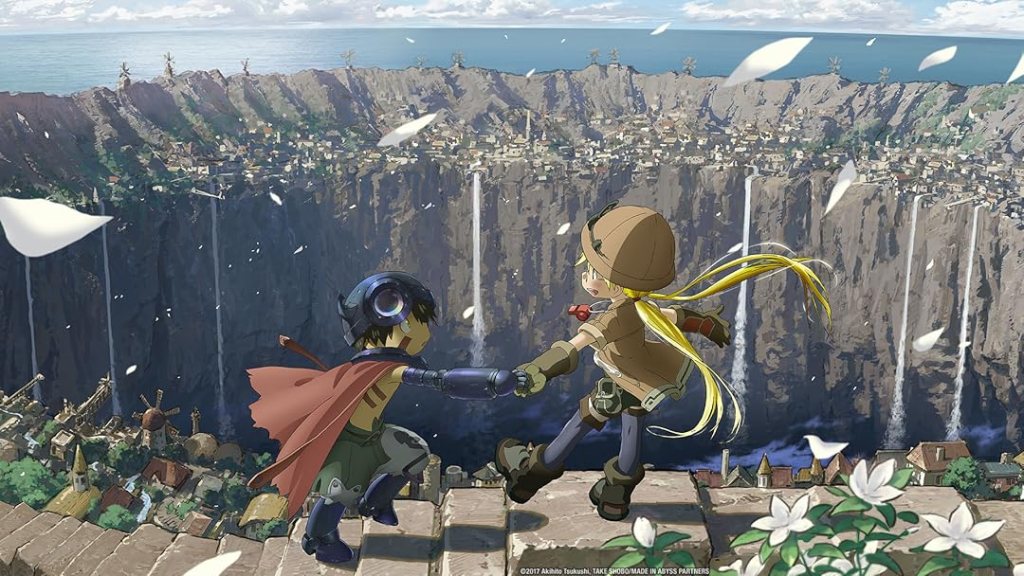
Made in Abyss is, hands-down, the biggest inspiration for Bjornborn’s creature building (aside from Monster Hunter). In Bjornborn, Todesspucker physiology is inspired by how Akihito Tsukushi approaches his own monsters. Tsukushi’s monsters have a realness to them because they’re inspired by real fauna. Tsukushi blends these elements together to create creatures that are alien but recognizable.
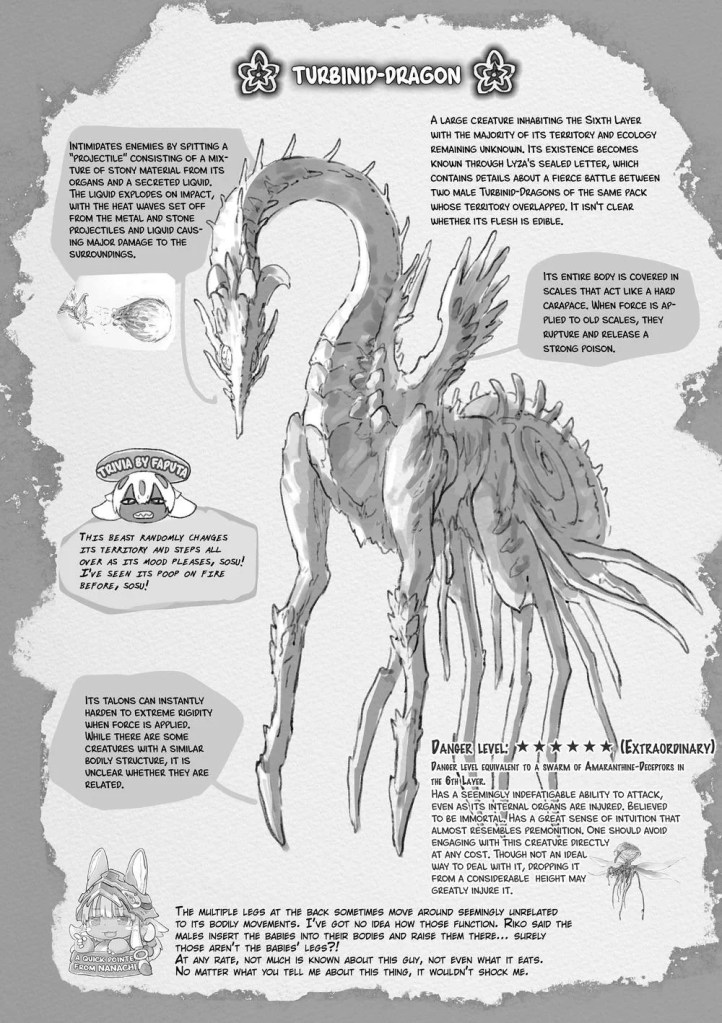
Made in Abyss inspired creatures in my work that will wreak havoc on every character you hold dear, I promise.
Inspirations:
-Monsters resemble and behave like real-world animals
-Monsters in Made in Abyss have predictable behaviors that are studied by humans in the world. Some are unpredictable or not researched enough. It creates mysteries and intrique.
Mass Effect
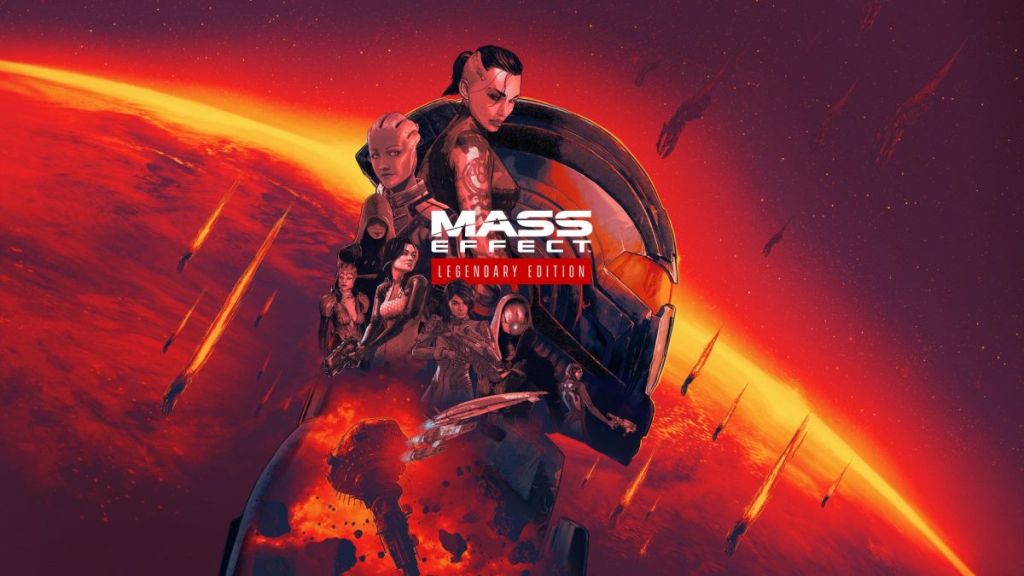
Released in 2007, Mass Effect is one of the biggest inspirations for me hands down. I played every game, every DLC, and read every book from the original trilogy. I used to hear the Mass Relays activating through the wall as my brother played it through the night.
The games have an encyclopedia that describes every race, world, and piece of military hardware in the known galaxy. I wish that was hyperbole. Do you want them? Here. This game wanted Cosmic horrors as villains and found a way to explain them in Mass Effect’s ‘hard science’ world. Hard Science Fiction in very rough terms is ‘Everything needs to have a scientific explanation.’
This one space station has enough lore to power a full hour documentary on youtube.
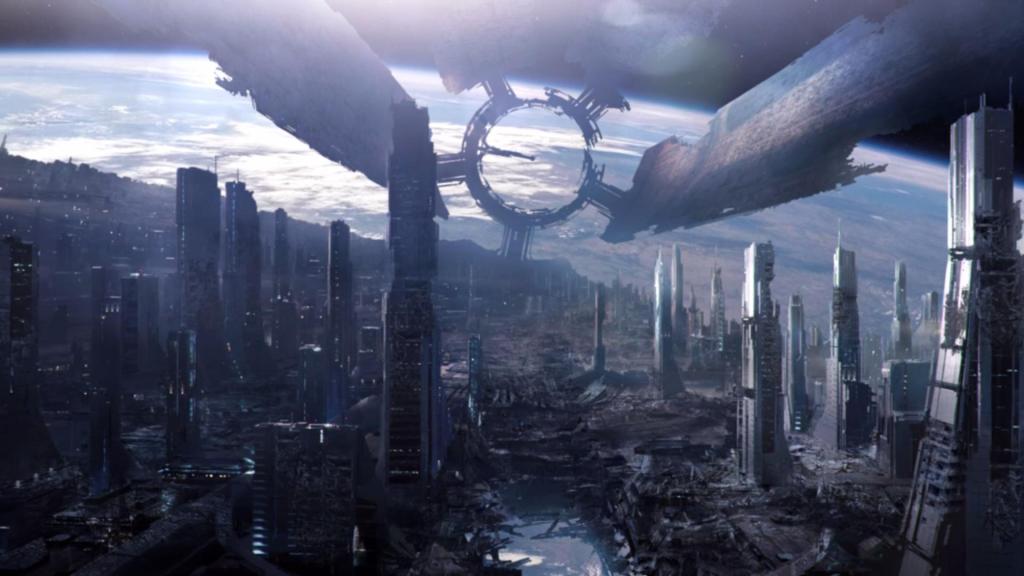
Mass Effect’s world building has led to countless discussions, theories, and intrique. This series has singlehandedly inspired me to write novels. It’s fantastic and if you haven’t played it already, do it.
Inspirations:
-Codex Entries
-Dialogue powers the world building in Bioware games, Mass Effect is no exception.
-Environmental storytelling, especially with the collector abductions in ME2 and the citadel in ME3.
-Races in Mass Effect and how they were developed over time and interact with one another
Dragon Age
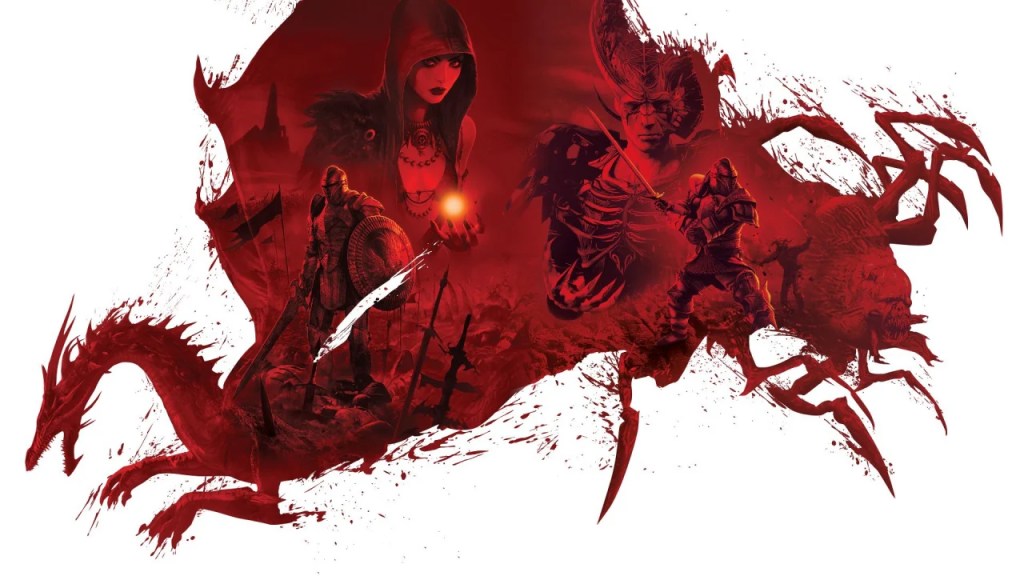
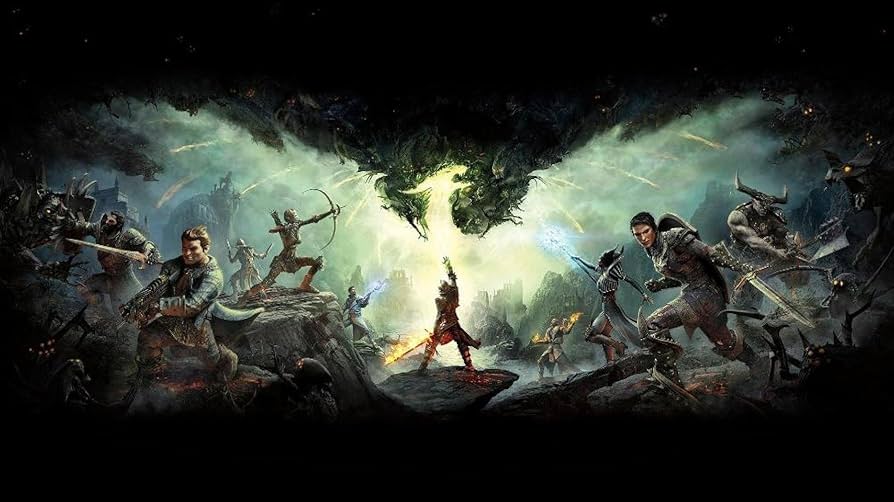
Released in 2009, Dragon age followed the success of Mass Effect, introducing us to the world of Thedas. It was followed by Dragon age II and Dragon Age: Inquisition. Veilguard also exists.
Dragon Age took a similar approach to Mass Effect, with codex entries that describe the world in higher detail. This world’s dark fantasy elements inspired early drafts of Bjornborn. The concepts of religion interwoven with political unrest and races that have been subjugated by humanity have always fascinated me. Dragon Age takes these concepts and runs with them, creating a world that persists in the face of cruelty. Dragon Age’s world is steeped in inspiration from many European cultures and has some biblical references. It was inspired by J.R.R Tolkien and George R.R Martin, two other writers who were knee deep in their worlds as they wrote them.
Inspirations:
-Codex entries again
-Dark fantasy elements that don’t shy away from the difficult discussions.
-Political unrest and intrigue that isn’t too overbearing but can also be interesting.
-The religions in Dragon Age are really fleshed out. The Andrastrianism and the Qun stood out to me the most.
Conclusion
That’s all I have at the moment. I hope that these works give you inspiration they way it did with me. I mainly research these after experiencing them firsthand; most of these have very detailed wikis and documentaries. Bioware’s documentaries are especially interesting, with pieces from Drew Karpyshyn being something I watched religiously in middle school.
Any questions or comments? Feel free to let me know, suggestions also help me figure out what to talk about!
 Danae Bradley
Leave a comment