Emotion is the driving force of every story ever told. It has driven heroes for thousands of years, and will to do so for as long as there are stories.
I struggled greatly with writing emotional characters at first. Most of them were very flat. Their dialogue was blunt, the body language non-existent. Their actions were a means to an end instead of a story in of itself. In this short article, I hope to explain how I discovered to write with more emotion.
Finding a Character’s Primary Emotion

How are you feeling today?
Primary emotions are the main drivers for a character in a story. The primary emotion is not necessarily the only emotion, but it is the one that drives your character the most.
The issues I found in my own writing appeared early on, when I didn’t know my characters that well. My writing process usually has me create one main character, then create more characters as the story progresses. Some writers start with one character and one emotion. I started with a character and what their title or place in the world is. Bjornborn started with Roy and his adoptive ‘father,’ Sicchus. I expanded upon that to make Roy a helpless, scared fourteen year old. Sicchus is an abusive caravan master who took Roy in. Roy was fairly spirited in early versions of Bjornborn, but he was lacking in just about everything else. His reactions to the world were flat, he would walk somewhere and not think about it.
Roy started as a blank slate, and it took nearly a third of the book to find who he was. Roy started out as a scared, weak child unable to stand up to himself. After rethinking his upbringing and how that would impact a child, I noticed that I had Roy wrong. An orphan boy like him would be more independent at the cost of childhood wonder. I started to rewrite, and when I reached chapter 2, I found Roy’s primary emotion. I know what Roy wants, and the reader will start to figure it out long before Roy does. Because of his upbringing and all the neglect he faced under Sicchus, Roy doesn’t know what he wants yet. He only learns it when he leaves his current situation to find a better place.
Vulnerability
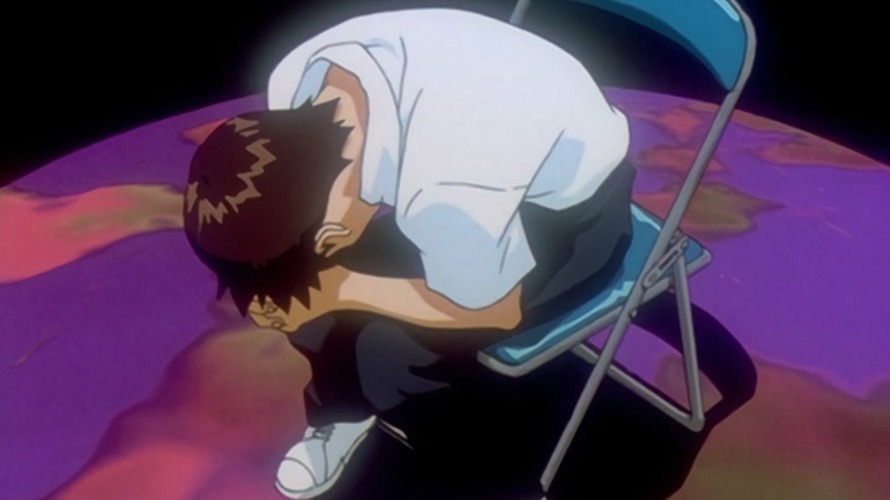
The biggest piece that was missing from my writing was vulnerability. Opening up to others is one of the hardest things one can do. Writing about that experience not only strengthens your work, but also creates a connection between you and the reader.
Roy is one of the most vulnerable characters in Bjornborn. He’s an orphan that has been treated like a commodity. You see him change from a quiet, isolated boy to one who can accept being loved after a lifetime of neglect. He develops friendships that are not transactional. He earns the trust of the people around him in words and not in material gains. Love for love’s sake does not exist in his world, and now it suddenly comes in droves.
In media we often discuss the impact of love on someone who desires it. It’s the entire premise for every romance novel. Unrequited love is just as potent. Love between friends and family is sacred. What if a boy is loved unconditionally, but he’s spent his entire life working for it? How do you take something for free when it always had a cost?
This setup allows for so much emotion, especially in the later parts of the story.
Conclusion
That’s all I have for the moment, but if I think of anything interesting I’ll be sure to write about it. These are short form articles that I do between writing/editing sessions, so they’re meant to be bite-sized.
What stories influenced how you write your characters? What emotions do you like to write about? Feel free to let me know, or suggest any ideas on what to write next!
 Danae Bradley
Leave a comment