Writing is one of the most emotional art forms that can exist. Every facet of your work can be used to portray an emotion, whether you mean it or not. In this article, I’ll break down some of the things I use to create emotion without saying ‘He is sad.’
Word Choice and Connotation
Word choice is important if you want to impart a specific emotion. Words impact your tone. It can make the meaning in your sentence change completely.
Connotation is the positive or negative ‘energy’ your words contain. A good example of connotation is ‘house’ and ‘home.’ Which of these words sounds warmer to you? Which sounds colder? Let’s look at a line from my shameless self-insert, Bjornborn.
The old man’s face was obscured by a dozen iron bars. A door sat to his right, locked from the inside.
Is this description cold or warm? Iron bars remind many of jail cells and storm drains, the opposite of something like a home.
You can tell the reader things subconsciously if you know what the connotation may be. House, building, apartment; these words feel industrial to me. Cottage, cabin, hearth, and home have a warmth to them.
So when you see a word pop up in a book, think about what emotion it gives off. Thinking of the hot/cold analogy helped me more than it should.
Coffee? Warm. Positive.
Metal grate? Cold. Wet. Negative.
Body Language
This one is deceptive in how important it is. The first thing a person will see from another is their body language. When you read books, you catch yourself keeping a mental tab on what characters are doing.
Sharpening a knife creates tension in the character and the reader. Just like gutting a fish or chopping down a tree with an axe.
Good Examples: Alien, The Shining, and the Chernobyl Mini Series.
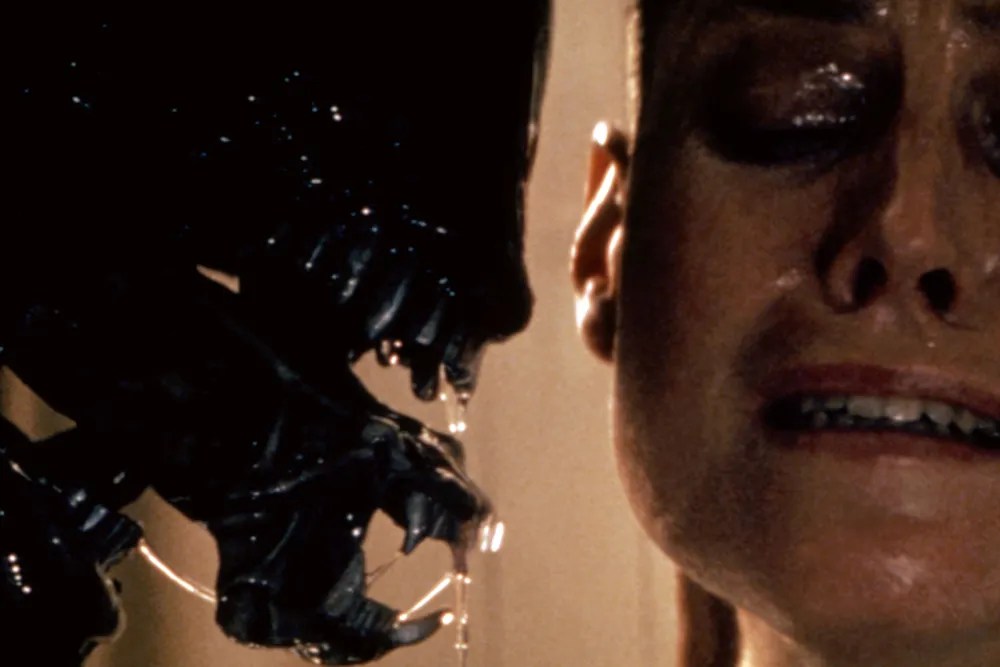
A character overwhelmed with grief may not smile as much as they used to. They hide themselves away when they cry or feel ashamed of their own emotions.
Examples: Gris, Lost Ember, Death Stranding
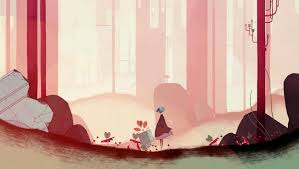
The same can be said for sadness. Sometimes the best body language is not in what the characters are doing. It’s what they’re not doing. When you’re depressed, you tend not to do much.
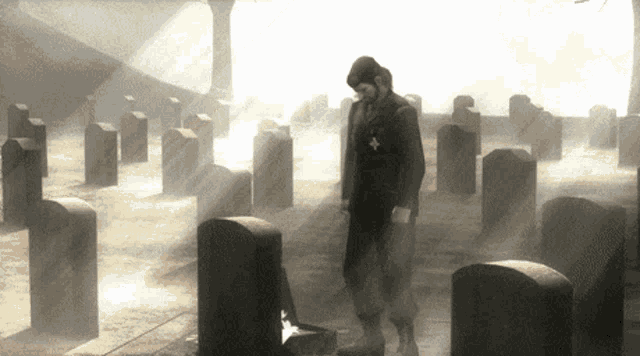
Excitement in a character from learning a life-altering thing can breathe fresh air into a story after pain. They jump for joy, shout to the heavens, smile, they might even cry a little.
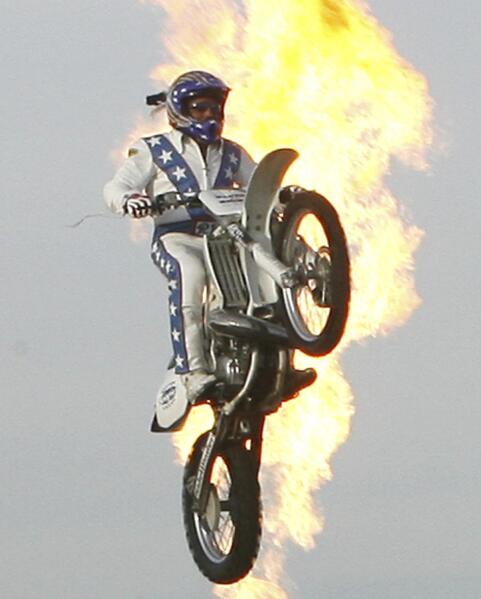
Body language can tell you more about a character than dialogue can, but take care not to disregard spoken words. They are just as important.
Structure
Paragraphs. Sentences. Words. These all impact the tone and emotion of a story in different ways.
In school, it was once taught that a paragraph is five sentences. Writing as a creative art form takes that rule and rips it apart. Paragraphs often have a natural end, usually this is when the idea is fleshed out. If you’re describing someone, it is only natural the paragraph ends when you’re done.
Sentences can be molded to use emotions. Short, snappy sentences can show urgency, action, anxiety, emotions that are quick and punchy.
When you lengthen your sentences, it gives your reader time to breathe and meditate on your words. Slow, purposeful sentences can illicit feelings of sadness, sorrow, grief, and more. They can be very powerful, but they do run the risk of boring the audience if they go on too long.
Use both. Create a flow of short and long sentences. Writing is a dance that speeds up and slows down. There is a pattern in all prose. Every story you enjoy has a flow to it.
Think of every sentence as a cut in a movie. When there is an action scene you see a ton of jump-cuts. When the movie is sad or contemplative, it slows down. Panning shots, slow zooms. Close, intimate shots showing detail. Writing is this. Think about the highest highs of Saving Private Ryan vs. the emotional highlights of The Green Mile.
Knowledge
Knowledge gives readers context. Context, when used properly and with some restraint, can emotionally wreck your reader or make them feel catharsis.
Knowledge and lack of knowledge are really powerful tools. Mastering ‘need to know’ for your readers helps your story. You don’t have to tell them everything. Never underestimate your reader’s ability to read between the lines. But also don’t be extremely vague. It’s a tightrope walk, but worth it if you hit the sweet spot.
Like with body language, sometimes it’s what’s not said that speaks louder.
I have one example of this: A six-word story.
For Sale: baby shoes, never worn.
Movies, video games, books, poems; everything uses emotion. Not just scripts, but cinematography. Look at how we as humans linger on body language, on tone, on words. Use it. Take advantage of what you see in the world; not just the positive, but the negative as well.
 Danae Bradley
Leave a comment